The platform
From executed package to boarded loan, with proof at every step.
Bookend sits after document generation and before boarding. It doesn’t generate documents, it isn’t an LOS, and it never sends a wire. It reads what was signed, checks it against what was approved, and hands your people a decision with the evidence attached.
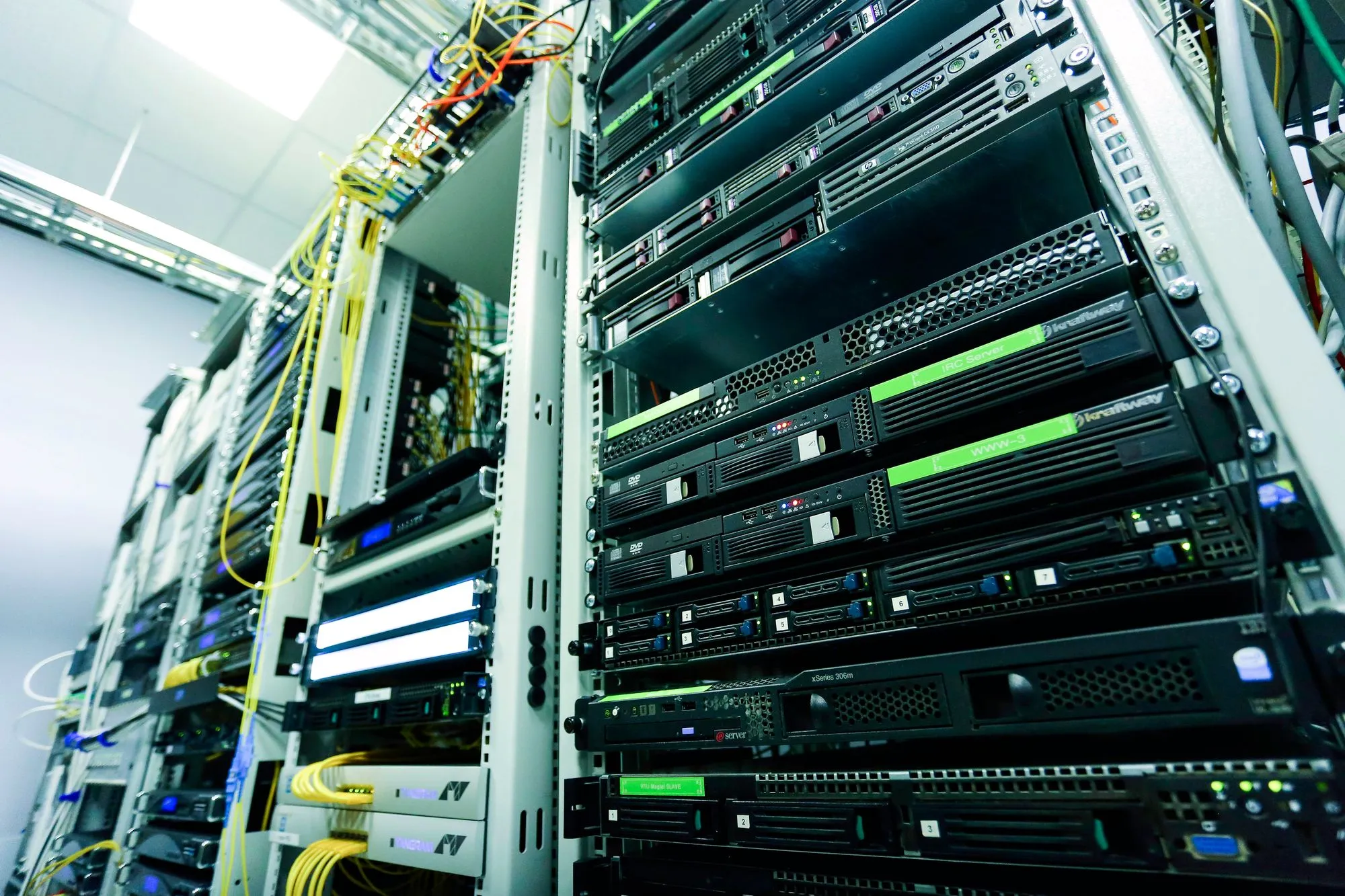
 Photo: Volker Morr / Pexels
Pipeline
Five stages, one loan at a time
- 1
Validate
Package and approval come in. Split, classify, OCR where needed, and extract with page and position.
- 2
Verify
Reconciliation and execution rules run. Findings carry their sources. Review with reason codes.
- 3
Board
Stage the core record with provenance. A checker approves. Commit once, resumable.
- 4
Fund
Stage the wire request. A second person approves. Export for your wire room.
- 5
Evidence
Seal the loan. Export the packet. Verify the chain any time, offline.
Features & benefits
Nine capabilities, one pipeline
Each block is a feature paired with the benefit you can explain to a closing manager, an auditor, or a vendor-risk committee.
Intake
Every package, however it arrives
Upload from the queue, drop a folder on a watched share, or send it from your LOS or document system through the API or the MCP server. Native PDFs and scanned executed copies both work. The approval comes in your own LAR format, mapped once.
Extraction with provenance
Nothing without a source
Every document is classified and every variable term is located with a page and bounding box. Click a value and the page opens on the exact spot. Low-confidence values go to a person. You can teach it your own forms by drawing a box.
Reconciliation
Rules you can read
Deterministic, versioned rules compare the note, loan agreement, guaranties, disbursement, boarding sheet, and approval against each other. Each term gets an agreement or an exception, explained line by line, with the ruleset version stamped on the run.
Execution verification
Gaps caught before funding
Signatures, initials, dates, and notary blocks are checked on each document against your execution templates. A missing mark becomes an exception with the zone highlighted on the page.
Boarding
Two people, one commit
A staged record mapped to your core fields with provenance on every field, approved by a checker who did not stage it, and committed once through jXchange or a boarding file. Never twice.
Funding
Staged, approved, and exported. Never sent.
The wire request is built from the disbursement authorization, approved by a second person, and exported for your wire room. The platform never transmits a wire.
Evidence
Verifiable offline
An append-only, hash-chained packet per loan (extractions, comparisons, overrides, approvals, boarding, funding) that exports as PDF, with the verification result on page one, and as JSON.
Operations
Figures that reconcile to the packets
Queue by state, throughput, review time, exception rate by rule, and aging. Every number is derived from recorded events. Roles: administrator, manager, closing specialist, boarding checker, auditor.
Integration
REST API and MCP server
The same operations (list loans, get findings, preview boarding, submit a package, export evidence) are available to your LOS, an internal automation, or an assistant, with the same tokens, permissions, and audit trail.
Deployment
Containers in your network. The model in the image.
Reference sizing is 16 vCPU, 64 GB RAM, and 500 GB, with no GPU. PostgreSQL or your SQL Server. Signed releases you pull on your own change-control schedule. Three outbound connections, each visible in Settings and each one you can switch off. Air-gapped installs are supported.
Operating principle
The model finds. The rules judge. A human approves.
Extraction and classification use a model that runs inside the container. Whether terms agree is decided by deterministic, versioned rules that can be explained to an examiner. Every loan passes through a review screen where a specialist accepts, overrides, or escalates before anything reaches the core, and a second person approves the commit.
Reproducible
Same package, same rules version, same findings. The ruleset version is stamped on every reconciliation run.
Tunable by policy
Money, rate, and date tolerances and name normalization are settings, not model weights. The reason codes are yours.
Reviewed by a person
Nothing is boarded, and no wire leaves, without approval inside your existing maker-checker controls. The software enforces that.
The automation design in full
Cores
Jack Henry first, any core by file
SilverLake, CIF 20/20, Core Director
Boarding through jXchange under the Vendor Integration Program, with a versioned field map per core.
Jack Henry loan boardingFile export
Deterministic JSON, XML and CSV boarding files with provenance behind every field, for any core.
More adapters
The adapter contract is core-agnostic; additional core adapters are being developed as products. Ask about yours.
Ask about your core
Questions
Platform FAQ
What does the Bookend platform do?
Bookend reads the executed closing package, classifies each document, extracts every variable term with its page and position, reconciles the terms against each other and against the credit approval using deterministic rules, verifies execution marks, and stages the core boarding record and the wire request for a second person to approve. Every step is recorded in a hash-chained evidence packet for the loan. It runs inside the bank’s network and is delivered with an implementation engagement.
Does Bookend replace our LOS, document system or core?
No. LaserPro or counsel still produce the documents, your LOS still originates and approves, your core still books the loan, and your wire room still sends the wire. Bookend sits between the executed package and the core. It validates what was signed against what was approved and stages boarding and funding for your approval.
What does the examiner get?
A per-loan evidence packet as PDF and JSON: document hashes, every extracted value with its source page and position, findings and how each was resolved with reason codes, approvals with who and when, boarding and funding events, and the result of verifying the hash chain. Change one byte in the database and verification fails at that link.
What does it take to run?
Reference sizing is 16 vCPU, 64 GB RAM and 500 GB of storage on your VMware or Hyper-V estate, with no GPU. PostgreSQL by default, or your SQL Server. Signed releases are pulled by your team on your own change-control schedule. The platform never updates itself.
What is the relationship between loanboarding.com and usebookend.com?
Both are operated by Bookend. loanboarding.com explains commercial loan boarding (the process, the errors, the checklist, and how automation with human approval fixes it) and offers the Bookend platform with its services engagement. usebookend.com is the platform’s own site, with product screenshots, security detail and pricing.
Start with a Closing Workflow Review
Forty-five minutes with your head of loan operations. We map the path from approval to documents to execution to boarding to funding, count the touches, and pull three recent boarding exceptions. You keep a one-page Closing Error and Capacity Map, whether or not you go further.